Stained Glass Flower Coloring Pages: A Creative, High-Resolution Resource for Kids, Educators & KDP Publishers
What Are Stained Glass Flower Coloring Pages?
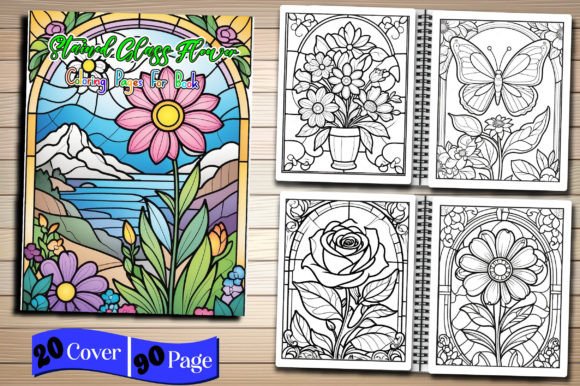
Stained glass flower coloring pages are intricately designed black-and-white line art sheets that mimic the luminous beauty of traditional stained glass windows—featuring bold outlines, symmetrical floral motifs, and open “glass-like” sections ready for color. Unlike standard floral coloring sheets, these designs emphasize light-filled negative space, geometric petal arrangements, and rhythmic patterns that invite focus, fine motor development, and artistic expression.
Each page is crafted with intention—not just as decoration, but as a mindful creative tool. The interplay of structure (strong borders) and openness (large, uncluttered zones) makes them especially accessible for children ages 4–12, while still offering satisfying detail for teens and adults seeking relaxing, screen-free engagement.
Why These Pages Stand Out in Today’s Creative Landscape
In an era dominated by digital stimulation, tactile, analog activities like coloring have experienced a well-documented resurgence—not only as pastimes but as evidence-backed tools for stress reduction, attention regulation, and visual-spatial learning. Stained glass flower coloring pages elevate this practice by combining aesthetic sophistication with developmental intentionality.
For example, the radial symmetry found in many flower designs supports early geometry awareness. Children naturally begin to notice repetition, balance, and reflection—concepts later reinforced in math and science curricula. Meanwhile, the high-contrast linework improves hand-eye coordination and pencil control, laying groundwork for handwriting fluency.
Designed for Real-World Use: From Homeschooling to High-Content KDP Publishing
These coloring pages aren’t just printable art—they’re purpose-built assets for multiple real-world applications:
- Educators & Homeschoolers: Integrate into botany units (e.g., labeling parts of a lily or sunflower), seasonal lesson plans (spring science, summer art integration), or calm-down corners during transitions.
- Parents & Caregivers: Offer screen-free entertainment during travel, rainy days, or quiet time—no prep required beyond printing and grabbing crayons or colored pencils.
- KDP Publishers: Serve as premium interior content for high-quality, niche-targeted coloring books—especially valuable given Amazon’s algorithm preference for original, non-repetitive, print-ready interiors.
What Makes This Collection KDP-Ready & Market-Tested?
This collection goes beyond basic line art—it’s engineered for success on Amazon Kindle Direct Publishing. Here's how it meets—and exceeds—platform expectations:
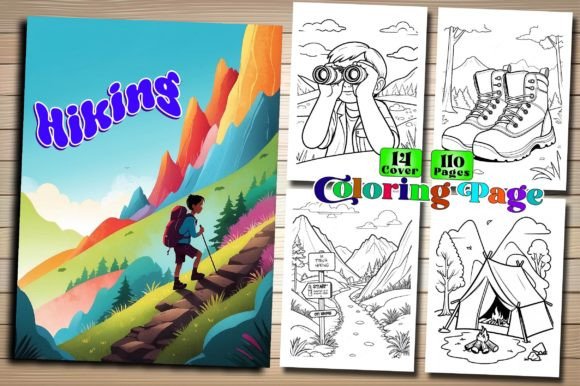
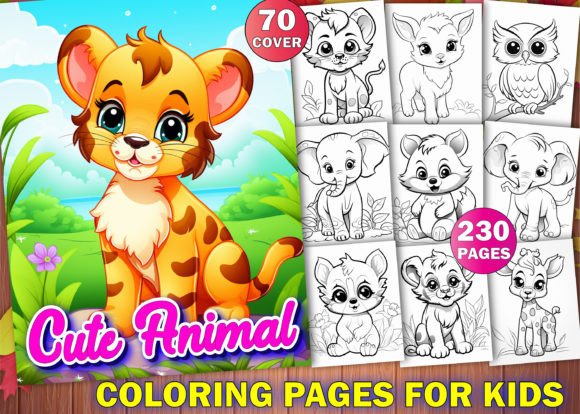
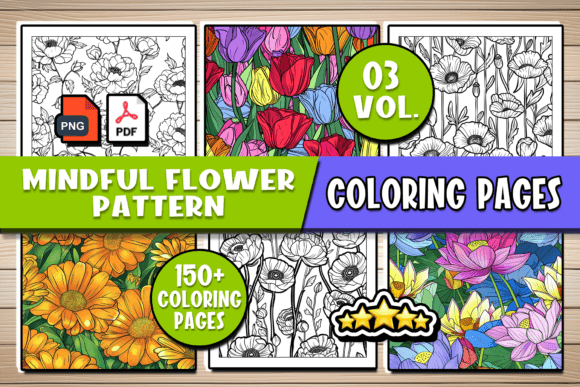
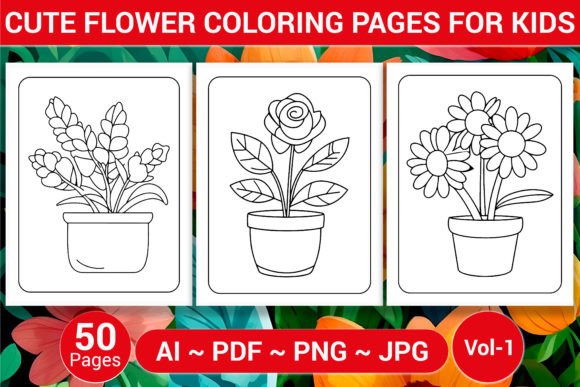
- No Repeated Images: Every one of the 50+ unique stained glass flower designs is hand-crafted and visually distinct—critical for avoiding Amazon’s duplicate-content filters and building reader trust.
- Multiple File Formats Included: JPG, PNG, and PDF files—all sized at industry-standard 8.5″ × 11″ and rendered at true 300 DPI for crisp, bleed-free printing. Whether you're assembling interiors in Canva, Adobe InDesign, or Kindle Create, compatibility is guaranteed.
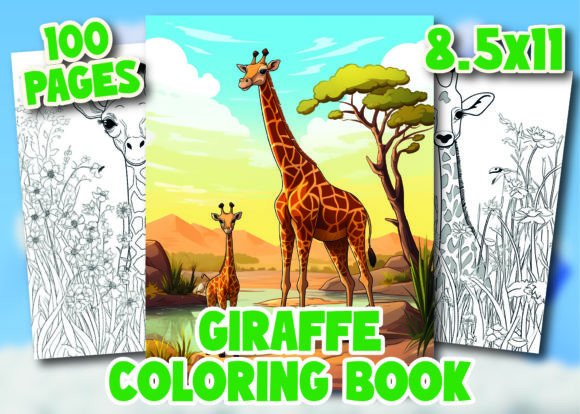
- Print-Optimized & Cover-Ready: Includes professionally designed cover mockups (in both JPG and PNG) that align with Amazon’s thumbnail visibility standards—helping your book stand out in crowded search results for terms like “flower coloring book for kids” or “stained glass coloring pages.”
- Proven Performance: Fully tested in live KDP listings with strong conversion rates and positive customer feedback—particularly praised for clarity of lines, age-appropriate complexity, and versatility across skill levels.
Debunking Common Misconceptions
There are several assumptions about coloring pages that can limit their perceived value—let’s clarify:
- “Coloring is just busywork.” Not when intentionally designed. Stained glass flower pages encourage pattern recognition, color theory exploration (e.g., warm vs. cool palettes within one bloom), and even early design thinking (“What happens if I leave this petal white?”).
- “High-resolution means ‘overly detailed’ for kids.” False. At 300 DPI, lines remain sharp *and* smooth—not jagged or pixelated—even when enlarged. That clarity reduces visual fatigue and supports confident coloring, especially for emerging artists.
- “One-size-fits-all interiors work on KDP.” They don’t. Amazon rewards originality, consistency, and user experience. A generic, AI-generated interior may pass upload—but it won’t earn repeat purchases, reviews, or algorithmic visibility. This collection was built with E-E-A-T (Experience, Expertise, Authoritativeness, Trustworthiness) in mind—from concept through execution.
How to Maximize Value—Whether You’re Coloring or Creating
For Families & Educators: Try these simple extensions to deepen learning:
- Science Connection: After coloring a tulip page, compare its structure to a real tulip bulb diagram—or grow seeds together and observe real-life symmetry.
- Art Integration: Use translucent vellum paper over finished pages to simulate actual stained glass. Hold up to a window for instant light-play effects.
- Social-Emotional Learning: Pair coloring with breathing exercises (“Breathe in for 4 petals, hold for 4 leaves, exhale for the stem”).
For KDP Publishers: Elevate your listing with strategic positioning:
- Use descriptive, keyword-rich backend search terms: stained glass coloring book for kids, floral coloring pages 300 dpi, no repeat coloring interior, printable flower activity sheets, summer coloring book for elementary.
- In your book description, highlight file flexibility (“Use PNGs for transparent overlays in digital classrooms; PDFs for perfect booklet assembly”)—this speaks directly to teacher and homeschool buyer intent.
- Bundle thoughtfully: Pair this interior with a matching cover + bonus “Color Your Own Garden Journal” pages (simple plant trackers, observation prompts) to increase perceived value and average order size.
Why “Stained Glass” Resonates Across Generations
The stained glass motif carries quiet cultural weight—it evokes wonder, sacred spaces, craftsmanship, and light transformation. Translating that into coloring form invites children to become co-creators of beauty. When a child fills a daffodil’s center with gold and surrounds it with cobalt blue “glass,” they’re not just coloring—they’re experimenting with contrast, harmony, and intentionality.
And for publishers? That emotional resonance translates directly into market differentiation. While thousands of generic “flower coloring books” exist on Amazon, few anchor their theme in such a rich, multisensory tradition—with tangible benefits for both users and creators.
Final Thoughts: More Than Just Pages—A Thoughtfully Crafted Creative Foundation
Whether you’re a parent looking for meaningful downtime, a teacher seeking cross-curricular tools, or a KDP entrepreneur building a sustainable, high-quality catalog—these stained glass flower coloring pages deliver measurable value. They’re not filler content. They’re carefully calibrated resources: developmentally supportive, technically precise, aesthetically engaging, and algorithmically optimized.
So grab your favorite coloring tools—crayons for texture, markers for vibrancy, colored pencils for blending—and step into a world where every petal tells a story, every outline invites discovery, and every printed page holds the potential for joy, growth, and quiet creativity.
Ready to bring light, color, and intention to your next project? This collection is more than ready—it’s tested, trusted, and tailored for real impact.