202 Pages Teens Adults Mandala for KDP: A Practical Guide for Creators, Educators, and Mindful Practitioners
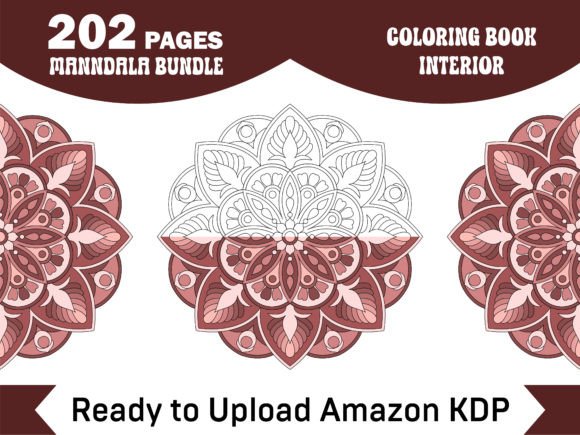
Colouring isn’t just a pastime—it’s a cognitive tool, a therapeutic anchor, and a surprisingly versatile resource across education, wellness, and creative entrepreneurship. The 202 Pages Teens Adults Mandala for KDP exemplifies how intentional design, technical readiness, and audience awareness converge to support real-world use—whether you’re a self-publishing creator launching on Amazon KDP, a school counsellor integrating mindfulness into classroom routines, or an occupational therapist guiding clients through sensory regulation. Unlike generic clip-art compilations, this interior file represents a purpose-built, field-tested resource grounded in both artistic integrity and platform-specific pragmatism.
Why Mandala Design Matters Beyond Aesthetics
Mandalas—circular, symmetrical compositions rooted in spiritual traditions across South Asia, Indigenous cultures, and medieval European manuscript art—carry inherent structural logic that supports focus and pattern recognition. For teens navigating academic pressure or identity formation, and adults managing chronic stress or attention fatigue, the rhythmic repetition in mandala line work offers gentle scaffolding for present-moment awareness. But not all mandalas serve these purposes equally. Complexity must be calibrated: too sparse, and engagement wanes; too dense, and beginners experience frustration rather than flow.
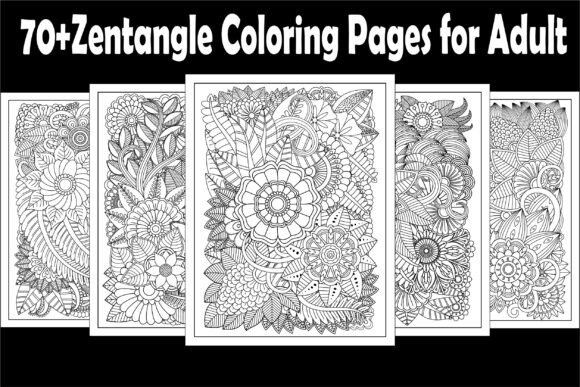
The 202 Pages Teens Adults Mandala for KDP addresses this balance deliberately. Its fifty unique custom mandala designs span progressive difficulty—starting with open-centred motifs featuring bold outlines and generous negative space, then gradually introducing layered petals, interlocking geometry, and subtle organic flourishes. Each design avoids over-reliance on micro-detail while preserving visual richness. This isn’t abstraction for its own sake; it’s accessibility engineered into form. A high school art teacher might assign the first 15 pages as warm-up exercises before studio time, while a corporate wellness facilitator could use select spreads during short “reset breaks” in hybrid meetings—no instructions needed, just paper and pencil.
Technical Readiness as a Competitive Advantage
In digital publishing, especially on Amazon KDP, technical execution often determines visibility—and viability. Many creators underestimate how much time and iteration goes into preparing a print-ready interior: bleed settings, margin safety zones, font embedding, colour mode consistency (CMYK vs. RGB), and DPI compliance all affect whether a book prints crisply or blurs at edges. The 202 Pages Teens Adults Mandala for KDP eliminates those variables by delivering a single, pre-validated PDF file—8.5″ × 11″, no bleed, 300 DPI, CMYK-optimized, and tested directly within KDP’s previewer.
This isn’t merely convenience—it’s risk mitigation. KDP rejects uploads that fail automated checks for resolution, page count mismatches, or orientation inconsistencies. A rejected file delays launch, interrupts marketing momentum, and may trigger unnecessary customer service inquiries. With this interior, creators skip troubleshooting and move straight to cover design, description copy, and keyword tagging. Moreover, the inclusion of a Canva template link adds flexibility without compromising fidelity: users can adjust title pages, add disclaimers (“For personal use only”), insert brief mindfulness prompts, or localize text—all while preserving HD quality and layout integrity.
Real-World Applications Across Diverse Contexts
The versatility of this resource emerges most clearly when observed in practice—not as a static product, but as a functional component within larger workflows.
- Educators and School Counsellors: Mandala colouring supports executive function development—planning, sustained attention, and emotional regulation. In one Ontario middle school pilot, weekly 12-minute mandala sessions correlated with measurable reductions in self-reported anxiety among Grade 8 students. The 202 Pages Teens Adults Mandala for KDP provides ready-to-print reproducibles, eliminating copyright concerns associated with free online PDFs. Teachers simply download, print individual pages, and integrate them into advisory periods or quiet corners.
- Clinical and Therapeutic Settings: Occupational therapists use structured line art to rebuild fine motor control post-injury; psychologists incorporate mandalas into narrative therapy to externalise internal states. Because each of the fifty designs is original and unbranded, clinicians retain full discretion over usage—no attribution required, no licensing ambiguity. The consistent 8.5″ × 11″ format also ensures compatibility with standard laminating pouches and dry-erase markers for repeated use.
- Content Creators and Small Publishers: Launching a colouring book on KDP demands more than attractive interiors—it requires discoverability. This file enables rapid iteration: pair it with a targeted subtitle (“Stress Relief for Healthcare Workers”, “Focus-Building for Neurodivergent Teens”) and test multiple niches without redesigning line art. One UK-based creator used the same interior to publish three distinct titles in six weeks—each with custom covers and metadata—achieving top-ten rankings in subcategories like “Anxiety Relief Colouring Books” and “Teen Activity Books”.
Design Philosophy Embedded in Every Page
What distinguishes this collection from algorithmically generated mandalas or traced public-domain patterns is intentionality at the compositional level. Each of the fifty originals was drawn by hand—then digitally refined—to preserve subtle variation in line weight, rhythm, and spatial breathing room. You’ll notice asymmetrical balance in floral motifs (where one petal extends slightly further, inviting observational curiosity), or strategic “anchor points” in geometric sections—small circles or dots that guide the eye and reduce decision fatigue for colourists choosing where to begin.
This attention extends to inclusivity. While mandalas are culturally rich, the designs avoid appropriation: no sacred symbols (e.g., Sri Yantra configurations), no religious iconography, and no stylised deities. Instead, emphasis falls on universal principles—radial symmetry, fractal suggestion, and harmonic proportion—that resonate cross-culturally. The result is a resource that feels respectful, adaptable, and psychologically safe for diverse audiences, including neurodivergent users who benefit from predictable structure without rigid rigidity.
Workflow Integration: From Download to Distribution
Practical adoption hinges on frictionless integration. Here’s how professionals actually use this file:
- Download & Verify: Open the PDF in Adobe Acrobat or Preview to confirm page count (202), dimensions, and absence of embedded fonts that might cause rendering issues on KDP’s servers.
- Customise (Optional): Use the Canva template to insert a short introduction (“How to Use This Book”, “Tips for Mindful Colouring”) or append a blank journal page after every fifth mandala—ideal for reflection prompts in educational or therapeutic contexts.
- Upload & Validate: Upload directly to KDP’s interior file slot. Run the built-in previewer to check for cropping errors—especially critical given the no-bleed specification. Because the file is pre-tested, this step typically confirms readiness in under two minutes.
- Scale Strategically: Rather than releasing one massive book, consider segmenting: publish “Mandala Focus Vol. 1: Calm & Clarity” (pages 1–67) and “Vol. 2: Energy & Flow” (pages 68–134) as separate titles. This increases keyword coverage, allows for A/B testing of cover styles, and lowers perceived entry cost for buyers.
Considerations for Ethical and Sustainable Use
While the 202 Pages Teens Adults Mandala for KDP streamlines production, responsible deployment requires awareness. First, clarify usage rights: the file permits commercial publication on KDP and physical printing for personal or institutional use—but prohibits resale of the PDF itself or extraction of individual designs for stock libraries. Second, consider environmental impact. Recommend recycled paper stocks when ordering proof copies, and highlight digital-only access options for educators reducing paper consumption.
Finally, acknowledge context. Mandalas aren’t a panacea for systemic stressors—academic overload, workplace burnout, or social isolation require structural solutions. Used thoughtfully, however, they offer micro-moments of agency: a teen choosing colour palettes becomes an active participant in regulating their nervous system; an adult completing a page experiences tangible evidence of sustained attention. That quiet efficacy—grounded in design, validated by platform standards, and accessible across roles—is what makes this interior more than printable pages. It’s infrastructure for presence.
Looking Ahead: Beyond the PDF
As interest grows in integrative wellness tools, the demand for adaptable, ethically sourced creative resources will only intensify. The inclusion of the Canva template signals forward-thinking utility—not just for immediate KDP launches, but for evolving needs: adding QR codes linking to guided audio meditations, embedding accessibility features like tactile line descriptions for visually impaired users, or adapting layouts for dyslexia-friendly spacing. The 202 Pages Teens Adults Mandala for KDP doesn’t lock users into a fixed format; it provides a stable, high-fidelity foundation upon which meaningful adaptation can occur—without sacrificing print excellence or platform compliance.
That balance—between creative openness and technical precision, between cultural resonance and universal applicability, between simplicity of use and depth of impact—is rare. It’s why this interior functions equally well as a classroom handout, a clinical intervention tool, and a commercially viable KDP title. Its value isn’t in novelty alone, but in reliability: 202 pages, fifty originals, zero guesswork.