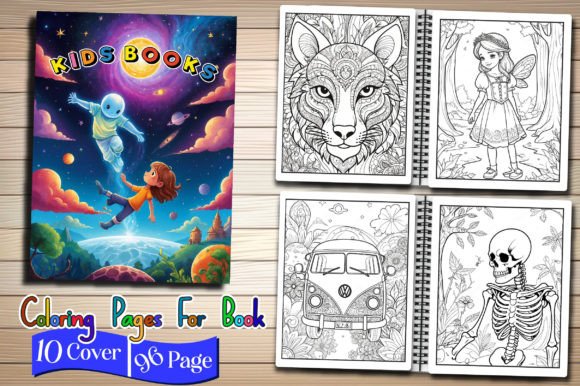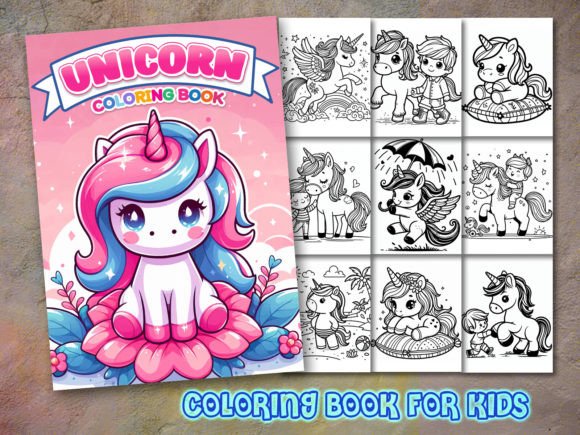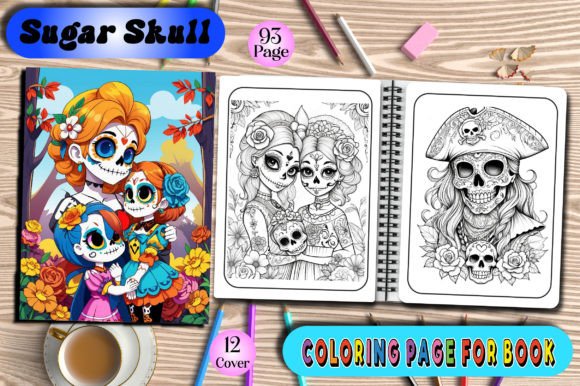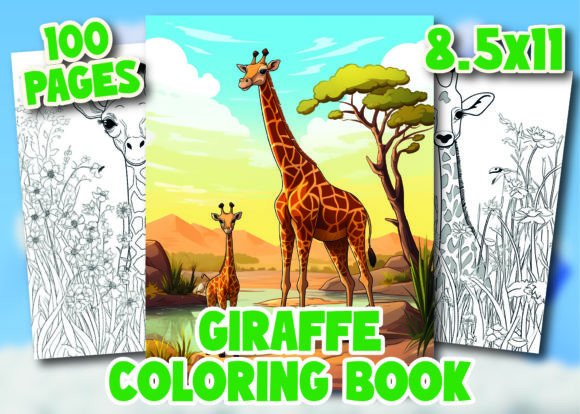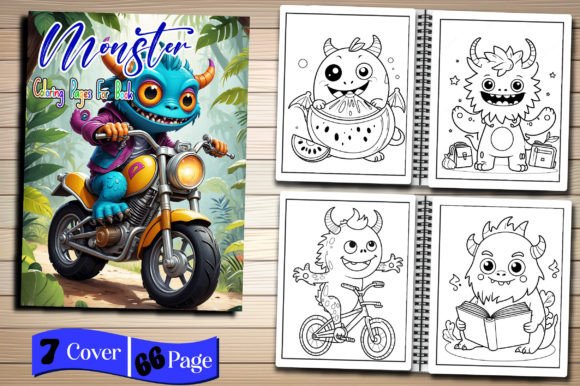
Monster Coloring Page Book for Kids
A Monster Coloring Page Book for Kids is more than a collection of whimsical illustrations—it’s a strategically versatile interior asset for creators building high-content KDP books. When sourced with intention—high-resolution, non-repetitive, print-ready, and sized to industry standards (8.5″ × 11″)—it becomes a functional component in your content architecture. It supports tangible business outcomes: faster time-to-market, consistent visual quality, scalable production workflows, and audience-aligned engagement. For entrepreneurs, educators, and small publishers, this isn’t about filling pages—it’s about aligning creative resources with measurable goals.
Why This Interior Fits Real Business Needs
Most KDP creators underestimate how much interior consistency impacts perceived value—and sales velocity. A Monster Coloring Page Book for Kids built with 300 DPI JPG, PNG, and PDF files eliminates last-minute rasterization errors, printer compatibility issues, or Amazon rejection risks. That reliability translates directly into operational efficiency: no re-uploads, fewer customer complaints about blurry lines, and higher repeat-purchase likelihood from buyers who recognize your brand’s attention to detail.
More importantly, the thematic cohesion matters. “Monsters” aren’t just playful—they’re emotionally flexible archetypes. They can be silly, gentle, mischievous, or heroic—making them adaptable across age ranges, learning contexts, and even therapeutic use cases. A teacher might use these pages to support emotional regulation exercises; a homeschooler may integrate them into unit studies on mythology or biology (e.g., “design your own hybrid creature”); a marketer could repurpose select images as social media assets or email newsletter visuals. The utility scales when you treat the interior not as static content but as modular, reusable creative infrastructure.
Strategic Positioning Starts With Intentional Selection
Before downloading or licensing any Monster Coloring Page Book for Kids, ask: What outcome am I optimizing for? If speed is critical—say, launching five themed coloring books before summer—you’ll prioritize interiors with ready-to-use cover images and zero repeated designs. If differentiation is the goal, you’ll examine line weight, spacing, and negative space: thinner lines suit advanced colorists; bolder outlines work better for younger children or classroom printing on lower-end copiers.
Also consider downstream flexibility. Does the package include transparent-background PNGs? Those allow easy integration into digital products—think Canva templates, printable activity kits, or even NFT-adjacent art drops. Are the monsters culturally neutral or regionally resonant? Avoid unintentional misalignment: a design that reads as humorous in one market may feel unsettling in another without careful review.
How to Use It Without Diluting Your Brand
Using a pre-made interior doesn’t mean surrendering creative control—it means redirecting energy toward higher-leverage decisions. Instead of spending 40 hours drawing 50 monsters, invest that time in:
- Curating sequence logic: Group pages by complexity (simple → intricate), theme (underwater monsters → space monsters), or skill-building intent (fine motor practice → storytelling prompts).
- Adding value layers: Insert blank journaling lines beneath each image (“What superpower does your monster have?”), or include a short educator note on the copyright page about developmental benefits.
- Building cross-product synergy: Use one monster as your series mascot—feature it on your Amazon author page, newsletter banner, or Instagram highlight reel to create visual continuity across touchpoints.
This approach transforms a commodity interior into a branded experience. Buyers don’t remember “a coloring book”—they remember the one where the friendly cyclops wore sunglasses and asked thoughtful questions. That distinction compounds over time, especially in saturated categories like kids’ activity books.
Risks of Using It Without Context
The biggest risk isn’t poor image quality—it’s misalignment between the interior’s tone and your broader positioning. A Monster Coloring Page Book for Kids full of edgy, stylized creatures may clash with a brand built around gentle, nature-based learning. Similarly, using identical interiors across multiple titles erodes perceived uniqueness and can trigger Amazon’s duplicate content filters—even if wording differs, identical line art reduces discoverability.
Another underappreciated risk: assuming “print-ready” means “audience-ready.” High-resolution files don’t guarantee age-appropriateness. Some monster designs inadvertently emphasize teeth, claws, or exaggerated features that trigger anxiety in sensitive children—or concern among gatekeeping adults (parents, teachers, librarians). Always preview pages through the lens of your target user’s emotional response—not just technical specs.
Planning Tips That Prevent Rework
Build your workflow backward from the customer’s first interaction:
- Define the primary use case first: Is this for independent screen-free play? Classroom centers? Therapeutic settings? That determines line thickness, spacing, and even paper weight recommendations in your description.
- Validate file integrity before formatting: Open one JPG, one PNG, and one PDF at actual size (8.5″ × 11″) in your layout software. Zoom to 200%—check for jagged edges, unintended transparency, or inconsistent margins.
- Test color fidelity early: Print three sample pages on your intended paper stock. Marker bleed? Crayon smudging? Adjust line darkness or spacing accordingly—not after uploading.
- Map metadata to search behavior: Amazon shoppers rarely search “monster coloring book.” They search “kids coloring book ages 6–9,” “big kid coloring pages,” or “summer activity book for 2nd grade.” Let your interior inform—but not dictate—your title, subtitle, and backend keywords.
Long-Term Value Beyond the First Launch
Treat your Monster Coloring Page Book for Kids as a foundation—not an endpoint. Once live, analyze which pages generate the most engagement: Are reviews mentioning specific monsters? Are customers requesting coloring tips for particular designs? That feedback becomes R&D data. You might spin off a “Top 10 Monsters” sequel, create a companion sticker sheet, or license select characters for school district contracts.
Also consider bundling. A single interior rarely sustains long-term visibility—but a bundle of three thematically linked interiors (e.g., Monster Coloring Page Book for Kids, Ocean Creature Coloring Pages, and Space Explorer Activity Sheets) increases average order value and improves Amazon’s algorithmic preference for “frequently bought together” groupings.
Final Strategic Note
Success with a Monster Coloring Page Book for Kids hinges less on the number of pages and more on how deliberately you connect them to real human needs and business objectives. It’s not about having “a coloring book”—it’s about solving for predictability (in production), resonance (with your audience), and adaptability (across formats and markets). When every image serves a purpose beyond decoration—supporting fine motor development, sparking narrative thinking, reinforcing brand voice, or simplifying fulfillment—you stop competing on price and start earning loyalty.
That shift—from commodity to considered resource—is where sustainable KDP growth begins.